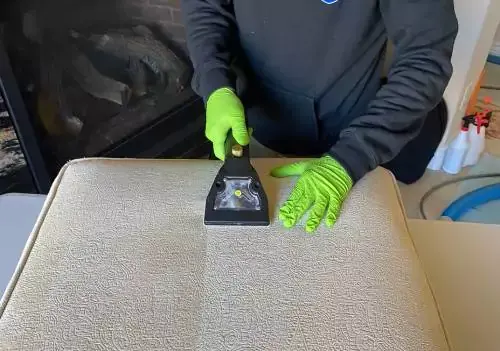
Your mattress is the one piece of furniture you use every single night, yet it is the one most Long Island families never clean. Sweat, skin flakes, dust mites, spilled drinks and the odd accident from a child or pet all soak in a little at a time. With holiday guests coming soon and windows staying shut for the winter, now is a smart time to freshen the beds in your home. This guide shows how to clean a mattress at home, how to deal with dust mites, urine and sweat stains, what NOT to do, and when professional mattress cleaning makes sense.
Why mattresses get dirty (even when they look clean)
A mattress can look bright white on top and still hold a lot of grime inside. Here is what builds up over time:
- Dead skin and body oils. Everyone sheds skin while they sleep. Body oils pass through sheets and leave yellow patches.
- Dust mites. These tiny bugs are too small to see. They feed on skin flakes and like warm, humid places. Their waste is a common allergy trigger.
- Sweat and moisture. Moisture from the body soaks into the top layers. Long Island summers are humid, and that dampness can leave a musty smell that hangs on into the fall.
- Spills and accidents. Coffee in bed, a child’s juice cup, a potty-training night or a pet that sneaks onto the bed. Liquids go deep into the foam fast.
None of this means your home is dirty. It happens to every mattress.
How to clean a mattress at home: step by step
You need a vacuum with an upholstery tool, baking soda, clear dish soap, white towels and a spray bottle of cool water. For urine you will also want an enzyme cleaner from the hardware or pet store. Start in the morning so it can air out all day.
- Strip the bed. Wash sheets, pillowcases and the mattress pad in the hottest water the care tags allow.
- Vacuum slowly. Use the upholstery tool and go over the top, sides and seams. Seams and tufted buttons are where dust collects.
- Spot clean stains. Treat each stain with the method that fits it (see the stain section below). Always blot with a white towel. Never pour liquid directly onto the mattress.
- Deodorize with baking soda. Sprinkle a thin, even layer over the whole top. Leave it for several hours, or all day if you can. Baking soda absorbs light odors and a little moisture.
- Vacuum again. Remove all the baking soda, taking your time along the seams.
- Air it out. Open a window if the weather allows, turn on a fan, or let sunlight from a window fall on the bed. Make sure the mattress is fully dry before you put the sheets back on.
Tip: Put a washable, zippered mattress protector on every bed after cleaning. It stops sweat, spills and accidents from reaching the mattress, and many also block dust mites.
How to remove common mattress stains
The rule for mattresses is “less liquid is more.” Foam and fiber layers hold water for a long time, and a wet mattress can develop a musty smell or a brown ring as it dries. Use a little at a time and blot often.
Urine (kids or pets)
Blot up as much as you can right away, pressing hard with dry white towels. Lightly mist the area with an enzyme cleaner made for urine and follow the label. Enzymes break down the parts of urine that cause the smell, which plain soap cannot do. Blot again, then cover the spot with baking soda once it is only slightly damp, and vacuum it when dry. For old, dried urine, the smell often comes back on humid days. That is a sign it reached deep into the foam, and a professional cleaning is the next step.
Sweat and yellow stains
Mix a quarter teaspoon of clear dish soap in one cup of cool water. Dampen a white cloth (do not soak it), dab the yellow area, and blot with a dry towel. Repeat a few times, then “rinse” by blotting with a cloth dampened in plain water. Old yellow stains usually lighten but may not fully disappear.
Blood
Always use cool water on blood. Warm or hot water can set it. Blot with a cloth dampened in cool water and a drop of dish soap.
Quick mattress stain chart
| Stain | First step | Home treatment | Call a pro if… |
|---|---|---|---|
| Urine | Blot hard with dry towels | Enzyme cleaner, then baking soda | Smell returns on humid days |
| Sweat / yellowing | Vacuum | Dish soap mix, light dabbing | Large yellow areas remain |
| Blood | Blot with cool water | Cool water and a drop of soap | A brown mark stays after drying |
| Coffee / juice | Blot right away | Dish soap mix plus a spoon of white vinegar, rinse | A ring forms when dry |
| Vomit | Remove solids | Enzyme cleaner, baking soda | Odor stays after a day |
| Musty smell | Air out with a fan | Baking soda all day | Smell comes back or spots appear |
Dust mites and allergies: what actually helps
You cannot remove every dust mite from a home, but you can cut down the number living in your bed. These steps help the most:
- Wash bedding every week in the hottest water the care tag allows, and dry it fully on a hot setting.
- Use dust mite covers on the mattress and pillows. Look for zippered covers that fully close.
- Vacuum the mattress each time you change the sheets, or at least once a month.
- Keep humidity down. Dust mites like damp air. Many Long Island homes, especially basements and ground-floor bedrooms near the water, stay damp in summer. A dehumidifier helps.
- Clean the whole room. Dust mites also live in carpets, rugs and upholstered headboards. Regular carpet cleaning on Long Island in the bedroom makes a real difference for allergy sufferers.
Getting guest beds ready for the holidays
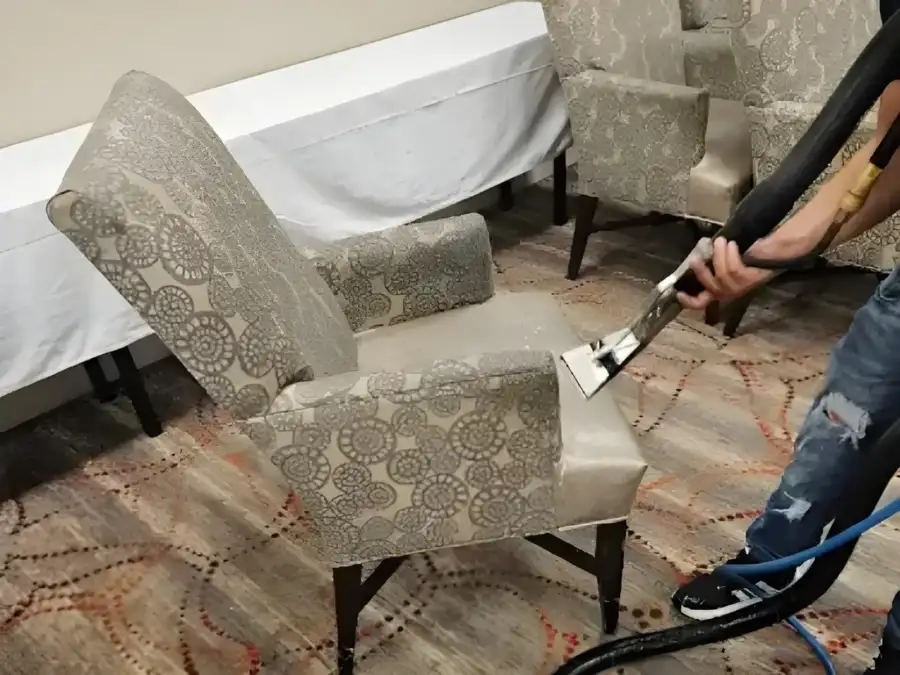
Guest rooms, pull-out sofa beds and kids’ bunk beds often sit unused for months. Before family arrives for Thanksgiving or the winter holidays, strip the bed, vacuum the mattress, give it a baking soda treatment and air it out with a fan for a day. Sofa bed mattresses are thin and often smell stale after months folded away. For a sleeper sofa, the frame and cushions matter as much as the mattress, and our upholstery cleaning service on Long Island can clean both in the same visit. To freshen the couch yourself first, see our guide on how to clean a sofa before the holidays. If you are already planning for holiday spills, our guide to removing Thanksgiving carpet stains covers the rest of the house.
What NOT to do
- Don’t soak the mattress. Water that reaches the inner foam can take a long time to dry and may cause a musty smell or a brown water ring.
- Don’t use a home steam mop or a rental carpet machine on a mattress. They put down too much water and do not pull enough back out.
- Don’t use bleach or ammonia. Bleach can eat away at mattress fabric, and ammonia smells like urine to pets, which can make them go back to the same spot.
- Don’t put sheets back on a damp mattress. Always wait until it is fully dry to the touch.
When to call a professional (and what to expect)
Home cleaning is good for upkeep and fresh spills. It is time to call a pro when urine or pet odor keeps coming back, when there are large or old stains, when someone in the home has allergies or asthma, when you just moved into a home or bought a used bed, or when it has simply been years since the mattress had a deep clean.
Here is what to expect when we clean your mattress:
- Our certified technician looks at the mattress, the stains and any odor, and confirms the price with you before any work begins.
- Stains and odors get a treatment that fits them, such as an enzyme treatment for urine.
- We deep clean with hot-water extraction (steam cleaning), using controlled moisture so the mattress is cleaned, not soaked.
- We use Green Choice products that are safe for kids and pets.
- The mattress is usually dry within a few hours with good airflow.
We will be honest with you, too. Most stains and odors come out or lighten a lot. Very old yellowing or a urine problem that went all the way to the core of the mattress may not be fully fixed by any cleaning, and we will tell you before we start. Our 100% satisfaction guarantee means that if a spot comes back, we come back and re-clean it for free. You can learn more on our mattress cleaning Long Island page.
Many families book the mattress together with a sofa or bedroom carpets. First-time clients can get any sofa cleaned for $69 with free stain protection, and we offer 2 rooms of carpet for $99 (a minimum service charge applies). You save $20 when you book online, and same-day service is often available. To see what affects the price of a visit, read our guide on carpet cleaning costs on Long Island.
Mattress cleaning across Nassau and Suffolk
We clean mattresses in all kinds of Long Island homes, from damp ground-floor bedrooms near the water in Massapequa, to busy family homes in Huntington and guest rooms getting ready for the holidays in Patchogue. We are open 24 hours a day, 7 days a week, including holidays, so if a child or pet has an accident late at night, you can still reach us.
Frequently asked questions
How often should a mattress be cleaned?
Vacuum your mattress each time you change the sheets or at least once a month, and use a washable protector. A deep professional cleaning about once or twice a year is a good plan, and more often if someone in the home has allergies, or if kids or pets share the bed.
How do you get urine smell out of a mattress?
Blot up as much as you can with dry towels, then lightly mist the area with an enzyme cleaner made for urine. Blot again, cover the spot with baking soda once it is only slightly damp, and vacuum it when dry. If the smell comes back on humid days, the urine reached deep into the foam and needs a professional cleaning.
Does baking soda really clean a mattress?
Baking soda helps with light odors and a little moisture, but it does not remove stains, dust mites or deep soil. Use it as part of a routine with vacuuming and spot cleaning, not as a full cleaning.
Can professional cleaning help with dust mite allergies?
Yes, it can help. A deep cleaning with hot-water extraction removes much of the dust, skin flakes and mite waste that vacuuming leaves behind. For the most relief, combine it with weekly hot washing of bedding, dust mite covers and clean carpets in the bedroom.
How long does a mattress take to dry after professional cleaning?
A professionally cleaned mattress is usually dry within a few hours with good airflow. Open a window if the weather allows or run a fan, and wait until it is fully dry before putting the sheets back on.
We are open 24 hours, 7 days a week across Nassau & Suffolk. Certified technicians, kid & pet safe products and a 100% satisfaction guarantee. Right now: 2 rooms $99 or first room $49*. Book online and save $20.
*Minimum service charge applies.