Professional tile and grout cleaning on Long Island
Tile floors look easy to clean, but grout tells a different story. Grout is porous — it’s made of cement and sand — so it soaks up dirt, grease and spills like a sponge. Every time you mop, dirty mop water flows into the grout lines and dries there. Year after year the grout gets darker, until your light grout looks gray or even black, no matter how often you clean. Scrubbing on your hands and knees barely helps. Professional tile and grout cleaning gets the dirt out of the grout, not just off the surface.
We restore tile floors in kitchens, bathrooms, entryways, mudrooms and laundry rooms all over Nassau and Suffolk County, usually the same day you call.
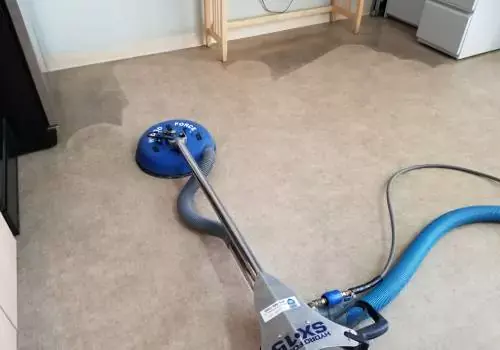
How our tile and grout cleaning works
1. Inspection and testing
We identify the tile type and the condition of the grout, check for cracked or missing grout, and test our cleaner in a small area first.
2. Pre-treatment
A cleaner made for tile and grout is applied and given time to work. It breaks down grease, soap scum and embedded soil in the grout lines. Heavily soiled grout lines are agitated with a grout brush.
3. High-pressure hot-water cleaning
A spinning, high-pressure hot-water tool cleans the tile surface and blasts the dirt out of the grout lines. Because the tool is enclosed, it vacuums up the dirty water at the same time — so the dirt leaves your home instead of being pushed around.
4. Rinse and dry
The floor is rinsed to remove cleaning residue and dried, so you can see the original color of your tile and grout again.
What we clean
- Kitchen floors — grease, food and drink spills build up fastest here.
- Bathroom floors, walls and showers — soap scum and body oils.
- Entryways and mudrooms — tracked-in dirt, sand and road salt.
- Laundry rooms — detergent and lint buildup.
- Backsplashes — cooking splatter around the stove.
- Ceramic and porcelain tile of every size and pattern.
Why mopping makes grout darker
A mop picks up dirt from the tile and then pushes that dirty water into the low grout lines, where it soaks in and dries. Many household cleaners also leave a sticky residue that attracts even more dirt. That’s why grout often gets darker the more you mop. Our equipment rinses and extracts at the same time, so the dirt is removed instead of moved.
Keeping your grout clean after a professional cleaning
- Sweep or vacuum before you mop, so you don’t push grit into the grout.
- Use a pH-neutral floor cleaner and change the mop water often.
- Wipe up spills — especially coffee, wine and grease — right away.
- Use mats at entryways to catch sand and road salt.
- Have your tile and grout professionally cleaned about once a year.
Tile and grout cleaning for homes and businesses
We clean tile in homes, apartments and condos as well as offices, stores, restaurants and medical offices across Long Island. Because we’re open 24/7, commercial tile floors can be cleaned after hours, without interrupting your business.
Why Long Island chooses us
- Certified technicians and professional hot-water equipment.
- Dirt recovered, not spread — cleaning and extraction in one pass.
- Kid and pet safe Green Choice products.
- Open 24/7, more than 20 years on Long Island.
- 100% satisfaction guarantee.
Have carpet or rugs in the next room? Many customers book carpet cleaning or rug cleaning in the same visit, and kitchen chairs can be done with our upholstery cleaning.
Tile and grout cleaning across Long Island
Our technicians restore tile floors in homes and businesses throughout Long Island — from kitchens in Garden City, Massapequa and Merrick to bathrooms in Huntington, Smithtown and Islip, and busy entryways in Long Beach and the South Shore, where sand gets tracked in all summer and road salt all winter. We work in houses, condos, co-ops and apartments, and in commercial spaces like restaurants, medical offices and stores, where clean tile makes a big difference to customers.
Tile and grout cleaning vs. regrouting
Many Long Island homeowners think their grout needs to be replaced when it’s actually just very dirty. Professional cleaning often brings it back to its original color for a fraction of the cost and mess of regrouting. If we find grout that is cracked, crumbling or missing, we’ll point it out so you can decide what to do next.
Should you seal grout after cleaning?
Grout is porous, like a hard sponge. Once it is deep cleaned, a clear sealer helps keep spills, grease and dirty mop water from soaking back in. Sealed grout stays brighter longer and is much easier to wipe clean. Kitchens, bathroom floors, showers and busy entryways benefit the most. Ask your technician about sealing when you book, and plan to keep the floor dry for a little while after it is applied.
Daily care that keeps grout lines bright
- Sweep or vacuum first. Sand and grit scratch tile and get ground into grout lines — a real problem in beach-area homes on the South Shore.
- Use a pH-neutral cleaner. Harsh acids and bleach can wear down grout and sealer over time.
- Change your mop water often. Dirty water is the main reason grout turns gray. A clean microfiber mop works better than a string mop.
- Wipe up spills quickly. Coffee, wine and cooking oil stain grout fast, especially near the stove and sink.
- Use mats at entry doors. In winter, mats catch the salt and slush before it reaches your tile.
Even with good care, grout slowly darkens with everyday use. A professional tile and grout cleaning every year or two brings it back, and you can combine it with carpet cleaning in the same visit.